


Certifications & Diplomas
Cyril Dufour’s certifications and diplomas demonstrate his recognised expertise in Switzerland and provide evidence of his legitimacy to deliver training within the framework of MSST and occupational risk prevention.
- BLS-AED-SRC (resuscitation and defibrillation)
- IAS 1 & IAS 2 (advanced first aid)
- BLS-AED-SRC Instructor
- SUVA STPS Safety Assistant
- Master’s degree in Quality – Health – Safety – Environment (QHSE)
Areas of training
Cyril delivers a wide range of training in occupational safety and first aid, tailored to the needs of SMEs, large companies and institutions in French-speaking Switzerland.
- First aid: BLS-AED-SRC, IAS 1, IAS 2, paediatric first aid
- Prevention & MSST: implementation of the MSST system, hazard assessments, machine safety, lockout/tagout (LOTO)
- Fire safety & evacuation: workplace fire prevention, fire extinguisher handling (theory + practical training), alarm procedures and emergency evacuation, the role of emergency response team members and on-site evacuation exercises.
- Specific technical risks: working at height, ATEX risks, electricity (work on or near electrical installations), chemical products (SDS, storage, PPE, spills).
- Conflict management, including tension analysis, appropriate communication and de-escalation techniques
- Self-defence in the workplace, focusing on prevention, a deterrent posture, simple protective techniques and practical scenarios
Operations Manager,
10 years’ experience, 150 sessions/year
BLS-AED-SRC, IAS 1/IAS 2, SUVA STPS Safety Assistant, QHSE Master’s degree
Languages: French, English.
Service area: French-speaking Switzerland.
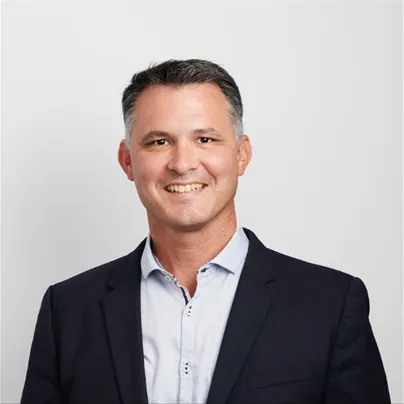
About Cyril Dufour
As Operations Manager at SafetyFirst, his mission is clear: to support companies with prevention and safety in French-speaking Switzerland.
With 10+ years of experience and a background in QHSE, he designs training that is concrete, practical and applicable in the field.
Whether addressing first aid, fire and evacuation management or OHS audits (MSST), he focuses his interventions on effectiveness and ease of use.
He prioritises realistic and interactive scenarios, enabling every participant to develop genuine response reflexes and gain confidence when faced with the unexpected.
His objective goes beyond regulatory compliance: to establish a shared and sustainable safety culture that benefits both employees and the organisation, today and in the long term.
His approach to training can be summed up as follows:
“Training means giving everyone the means to act with confidence when faced with the unexpected.”
Training approach
- 100% field-oriented: every training session is grounded in real situations experienced in the workplace.
- Realistic simulations: practical scenarios to prepare participants to respond to emergencies.
- Connected manikins and professional equipment: modern tools for effective, measurable learning.
- High practical component: at least half of the time devoted to hands-on application.
- Assessment of learning outcomes: systematic validation of skills to ensure training effectiveness.
Prevention, health and safety training formats
Cyril Dufour offers flexible training to adapt to the reality of every organisation:
- In-company: tailored sessions held directly at your premises.
- Inter-company: training bringing together several organisations, ideal for SMEs.
- E-learning and blended learning: digital and face-to-face combinations to optimise learning time.
- Sessions in English: for international or English-speaking teams.
Target audiences
His training is intended for a wide range of audiences:
- Operators and field employees: learning essential actions and complying with safety instructions.
- Supervisors and managers: integrating prevention into day-to-day management.
- Healthcare professionals and medical staff: mastering first aid protocols and emergency management.
- Educational teams and early childhood professionals: providing specific care for children and preventing risks in school environments.
Sectors served
With broad cross-sector experience, Cyril works across all sectors of activity in French-speaking Switzerland:
- Healthcare: hospitals, nursing homes, medical practices.
- Industry and logistics: workshops, warehouses, production sites.
- Construction: construction sites, public works companies.
- Services: offices, public administrations, service organisations.
Safety and MSST training: client case studies
Medical practice (healthcare): renewed compliance & stronger emergency response reflexes
Context. A medical practice with more than 40 employees needed to renew its compliance with the requirements of the Swiss Federation of Osteopaths.
Intervention. BLS-AED-SRC training over 2 evenings, with approximately 80% practical training using connected manikins (short theory sessions and practical scenarios).
Results. 32 employees trained, 100% passed, compliance ensured during the inspection, and teams more confident when faced with life-threatening emergencies.
Key takeaway. A short but intensive, field-based format, ideal for healthcare organisations that need to maintain compliance while improving their responsiveness.
Logistics & production: fewer incidents and a clean safety audit
Context. A logistics company was experiencing recurring minor incidents and lacked the necessary response reflexes when faced with incipient fires.
Intervention. Evacuation and fire extinguisher handling over half a day, with real-life scenarios conducted on site.
Results. 120 employees trained, 40% fewer minor incidents over 6 months, and an AEAI-compliant report with no reservations following the audit.
Key takeaway. A short but targeted format can quickly reduce incidents and support successful audits—a priority in logistics environments.
Construction SME: fewer incidents after IAS 1 skills development
Context. A family-owned SME (25 employees) was experiencing recurring minor accidents on its construction sites (gaps in first aid and risk management).
Intervention. IAS 1 training over 2 days, with practical exercises adapted to the construction site.
Results. 100% of employees trained, 35% fewer incidents over 6 months, and the company’s image enhanced among customers and partners.
Key takeaway. IAS 1 provides a foundation of practical response skills: fewer incidents, greater credibility and safer teams in the field.
Preparing today, protecting tomorrow.
#SafetyFirst #Training #Prevention #Health #Safety
