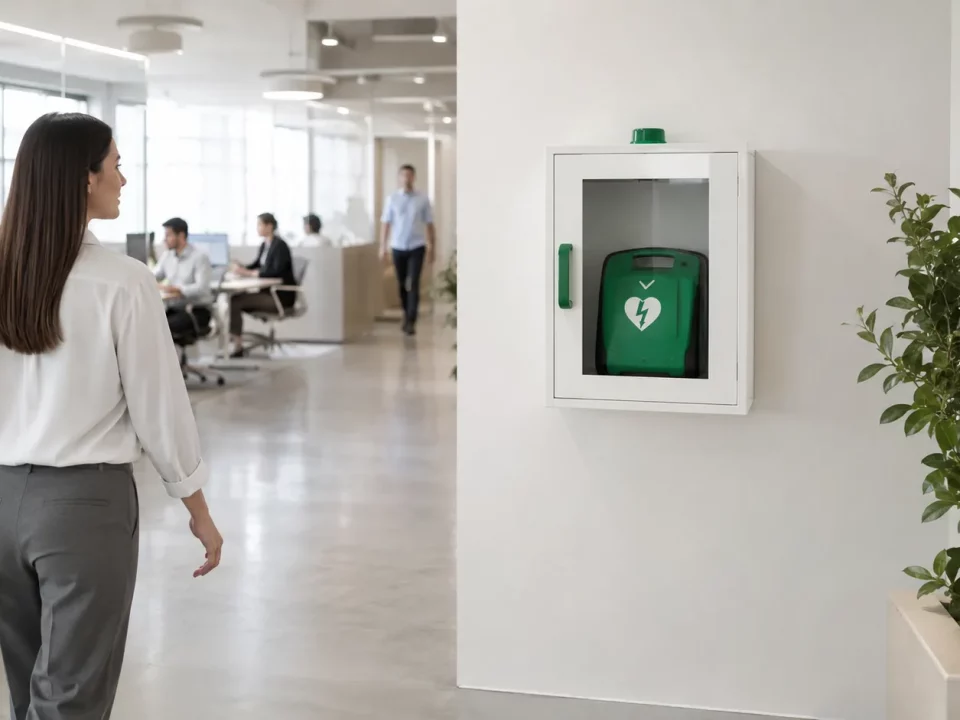
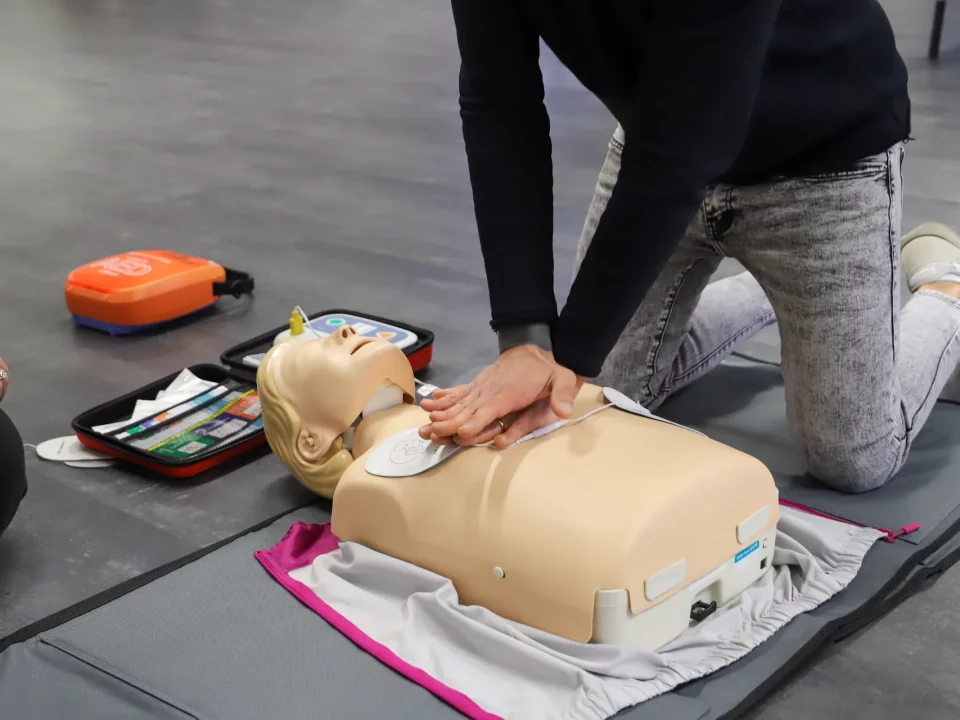
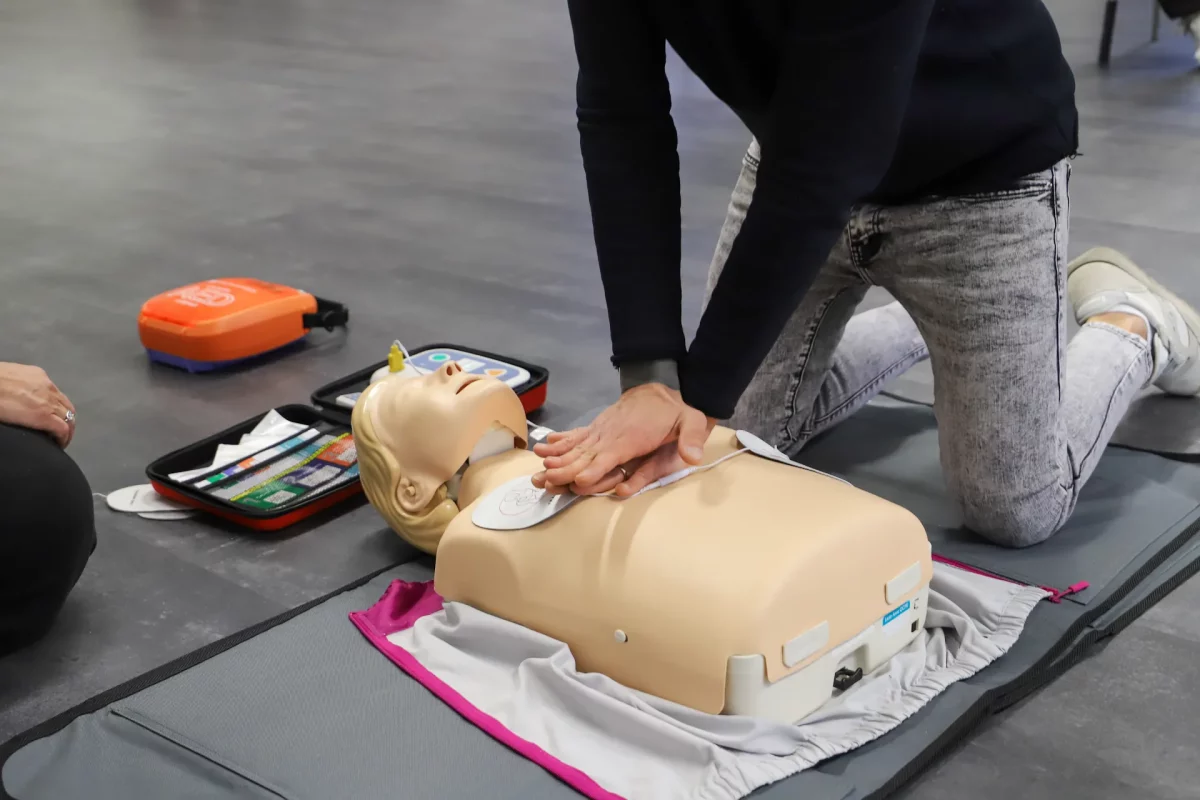
A defibrillator should be installed in a visible location that employees know and can reach without delay. The best location is not necessarily the most central point on a floor plan.
In Switzerland, defibrillators are not mandatory in every workplace. However, employers must organise first aid according to the risks, workforce and access to emergency services. Here is what the law says and how to decide whether your premises should be equipped with an AED.
Is fire safety training really mandatory, or merely recommended? This is the question many HR managers and SME executives in French-speaking Switzerland are asking.
Discover how to respond to an agitated member of the public at work using the basics of de-escalation. Posture, communication, warning signs, mistakes to avoid and safety reflexes: this article helps you prevent conflicts, manage aggression and protect your teams in professional situations.
Discover 7 practical ways to de-escalate verbal aggression at work, calm a tense customer or member of the public, set clear boundaries and protect your teams when dealing with the public.
Common mistakes during a workplace fire in Switzerland.
Practical advice for safety and HR managers to avoid inappropriate reactions, improve evacuation, strengthen training and reduce human and organisational risks.
Fire safety legal obligations in Switzerland in 2026: employer responsibilities, VKF requirements, fire safety training, evacuation plans and regulatory compliance clearly explained for businesses.
In the workplace, a simple response can save a life… or make the situation worse. All too often, when a workplace accident occurs, the first actions are performed incorrectly: the wrong position, forgetting to raise the alarm or ill-advised haste can turn a manageable situation into a critical emergency.
In the workplace, a simple reflex can save a life… or make the situation worse. All too often, when a workplace accident occurs, initial first-aid procedures are performed incorrectly: the wrong position, failing to raise the alarm or ill-advised haste can turn a manageable situation into a critical emergency.
This article guides you step by step in understanding where and how to position BLS-AED in your MSST plan, following a clear method adapted to Swiss companies.
When engaging MSST specialists is mandatory In Switzerland, every employer is responsible for the safety and health of their employees. CFST Directive 6508 specifies that engaging external specialists becomes mandatory when risks exceed the company’s internal expertise. Cases where an occupational physician is required in Switzerland An occupational physician becomes […]
2025 overview: who does what in occupational safety in Switzerland (at a glance) Occupational safety in Switzerland is based on an ecosystem of complementary stakeholders: SECO / Federal Labour Inspectorate, CFST/EKAS, Suva and the cantonal labour inspectorates. Understanding who does what helps avoid duplication, speeds up MSST compliance and improves […]
Introduction: Why Compliance with CFST 6508 Is Essential The CFST 6508 Directive requires many companies to implement a structured and verifiable safety system. This legal text requires employers to ensure the health and safety of their employees through a documented, compliant and proactive organisation. As soon as a company employs […]
Why is it essential to understand fire classifications? When a fire breaks out, every second counts. However, the appropriate response depends on the type of fire you are facing. This is where fire classification comes in: a simple yet fundamental system for identifying the nature of the hazard and selecting […]
A fire can break out at any time in a business: a short circuit, an overloaded appliance, human error… In these situations, every second counts. Acting quickly means limiting damage, protecting colleagues and sometimes even saving lives. But when faced with flames, many people hesitate: which fire extinguisher should they […]
First-aid knowledge is not only useful in everyday life, but is also required in many professional contexts. Whether you need to respond to cardiac arrest, clear an infant’s airway or apply emergency procedures in the workplace, there are several types of certified training available. How can you decide between the […]
Every year in Switzerland, thousands of lives could be saved if more people were familiar with basic first aid. In the event of cardiac arrest, the response of a bystander—whether trained or not—can mean the difference between life and death. Yet many people hesitate to intervene for fear of doing […]
Have you just injured yourself and are unsure how to respond? Don’t panic! Treating a minor wound at home or at work can be done safely and effectively using the right techniques. This article will guide you through the essential steps for properly caring for minor injuries and avoiding complications. […]