First aid for stroke: Key steps to save lives before emergency services arrive
10/06/2024
First aid training: learning how to measure vital signs
10/09/2024Discovering how to save lives through cardiopulmonary resuscitation is not only a medical skill, but also a civic responsibility. Every year, thousands of emergency situations require immediate intervention before help arrives. Mastering cardiopulmonary resuscitation (CPR) techniques can mean the difference between life and death. This article explores why and how you should learn these vital techniques.
A major public health issue
Cardiopulmonary resuscitation (CPR) is a crucial means of reducing mortality associated with sudden cardiac arrest. In Switzerland, it is estimated that nearly 8,000 cardiac arrests occur every year, primarily at home or in the workplace. Survival rates without immediate intervention remain extremely low. The speed and quality of bystanders’ response are therefore decisive. Making CPR training widely available to the general public has become a public health priority. Programs such as BLS-AED-SRC and IAS 1 and IAS 2 training provide essential skills for effective intervention.
The fundamentals of cardiopulmonary resuscitation (CPR)
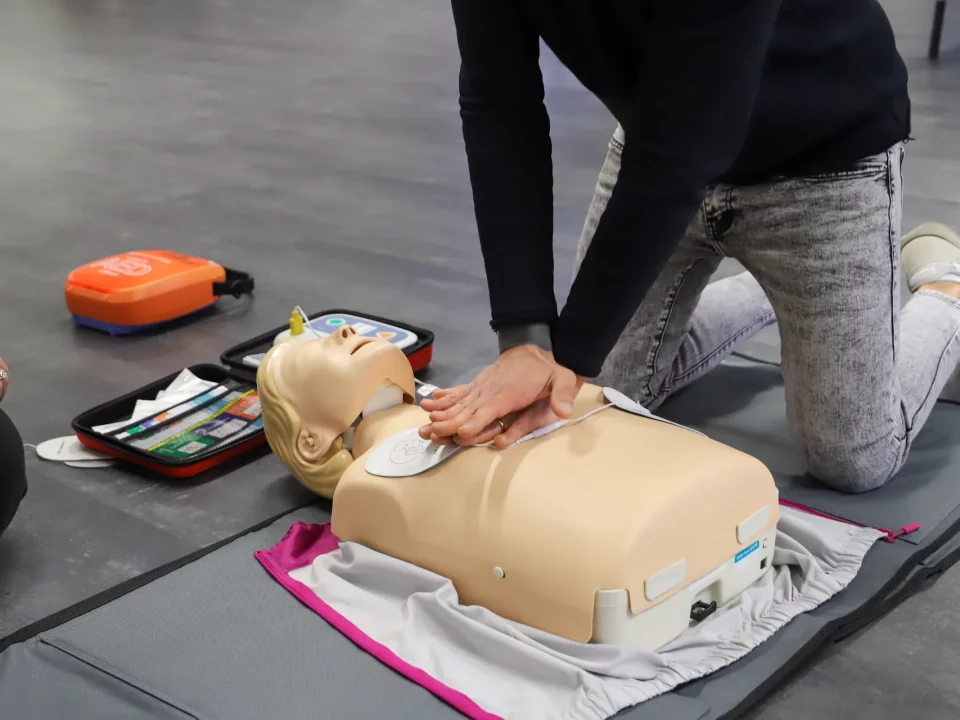
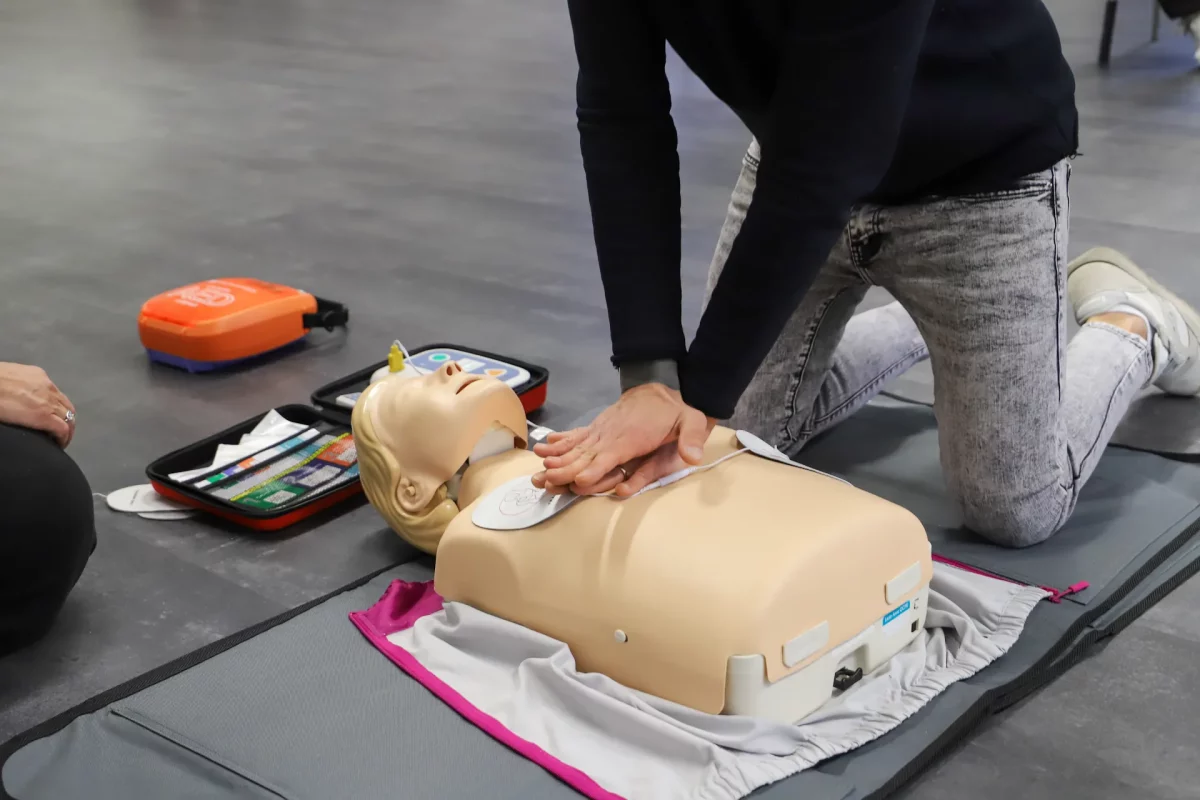
CPR helps maintain blood circulation and oxygenation of the brain through deep, regular chest compressions, combined with rescue breaths where possible. The standard protocol follows the C-A-B sequence (Compressions, Airway, Breathing):
- Ensure the scene is safe and check whether the victim is conscious.
- Call the emergency services (dial 144 in Switzerland).
- Begin chest compressions in the centre of the chest, at a rate of 100 to 120 compressions per minute, to a depth of 5 to 6 cm.
- Provide rescue breaths if trained and if the airway is clear (2 breaths after 30 compressions).
Adding early defibrillation with an AED (automated external defibrillator) complements these actions and significantly increases the chances of survival.
Discover our BLS-AED life-saving skills training >
Techniques suitable for everyone
Whether you are a healthcare professional or a layperson, the training is designed to be accessible to everyone. Techniques vary slightly depending on the victim’s age, with specific methods for adults, children and infants. These practical courses provide the skills needed to use an automated external defibrillator (AED) correctly, in addition to manual CPR techniques.
The benefits of certified training
Taking certified resuscitation training provides not only the skills needed to save lives, but also ensures that the techniques practised are up to date with the latest recommendations from medical and emergency services authorities. Certification, often renewable every two years, helps maintain and update your knowledge and skills.
Commitment and responsibility
Learning CPR is an act of commitment to your community. It demonstrates a willingness to play an active role in the chain of survival and increase the chances of survival in an emergency. Every minute counts during cardiac arrest, and your ability to act quickly and effectively can truly make a difference.
Learning resuscitation techniques is an integral part of the BLS-AED-SRC, IAS 1 and IAS 2 training programmes, highlighting the importance of these skills in the broader context of first aid.
To develop these skills further, discover our specialised training courses: