


Editorial Method & Quality
- Sources: Swiss directives, CFST 6508 guidance, reference literature and recognised technical guides.
- Neutrality: factual information, without medical claims; a reminder of official instructions (call 144 in Switzerland in an emergency).
Training Areas
Cyril delivers a broad range of training in occupational safety and first aid, tailored to the needs of SMEs, large companies and institutions in French-speaking Switzerland.
- First Aid: BLS-AED-SRC, IAS 1, IAS 2, paediatric first aid
- Prevention & MSST: implementation of the MSST system, hazard assessment, machine safety, lockout/tagout (LOTO)
- Specific Risks: fire safety and evacuation training, work at height, ATEX risks, electricity, chemicals
- Occupational Health: workstation ergonomics, MSD prevention, psychosocial risk management (PSR)
About the Author
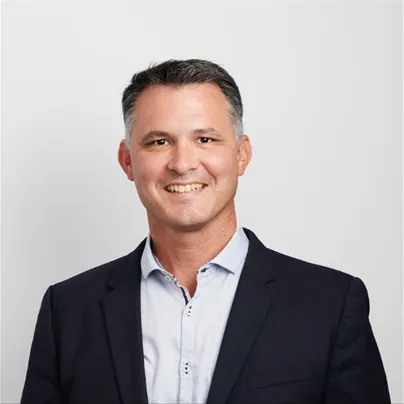
Cyril Dufour helps companies create safer working environments through practical, reliable articles adapted to real-world conditions and Swiss legal requirements.
Background & Expertise
As a SafetyFirst author, Cyril Dufour writes and updates content dedicated to occupational safety, first aid (BLS-AED-SRC, IAS) and MSST. With more than ten years of experience as a trainer and Operations Manager, he draws on his hands-on expertise to provide practical guides, checklists and FAQs aligned with official directives and Suva checks and cantonal inspections.
His approach is based on reliable sources, systematic review by specialists and straightforward teaching, providing business leaders, HR managers and employees with clear, directly applicable and genuinely useful information. His goal is to turn prevention into a driver of trust and performance for organisations.
His aim is to make prevention accessible and effective through interactive teaching tailored to the realities of each company and the requirements of the MSST system.
Editorial Areas
- First Aid: BLS-AED-SRC, IAS 1, IAS 2, paediatric first aid
- MSST : hazard assessment, action plans, MSST specialists
- Fire Prevention & Evacuation
- Occupational Health: ergonomics, MSDs, psychosocial risks (PSR)
Learn more about his hands-on experience: View the trainer profile (certifications & client case studies).
Latest Articles by the Author
Wo sollte ein Defibrillator in einem Unternehmen platziert werden?
Where to Place a Defibrillator in a Workplace?
Où placer un défibrillateur dans une entreprise ?
AED im Unternehmen in der Schweiz obligatorisch: Was sagt das Gesetz?
Defibrillator mandatory in Swiss workplaces: what does the law say?
Défibrillateur obligatoire en entreprise en Suisse : que dit la loi ?
Wie organisiert man eine Evakuierungsübung im Brandfall in einem Unternehmen?
How to organise a fire evacuation drill at your company?
Comment organiser un exercice d’évacuation incendie en entreprise ?
Brandschutzbeauftragter in der Schweiz: Rolle, Pflichten und Ausbildung
Preparing today, protecting tomorrow.
#SafetyFirst #Training #Prevention #Health #Safety
